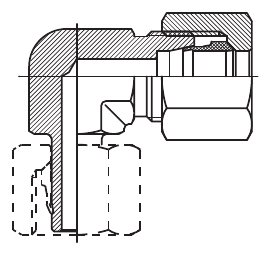
Adjustable elbows with standpipe
Position a 90-degree elbow using its standpipe connection.
Configuration illustration; supplied variant may differ.
Query product →Use F-LINE standpipe and swivel configurations to position elbows, tees and transitions during installation. Select the connection type and orientation before confirming the assembled fitting.
Position a 90-degree elbow using its standpipe connection.
Configuration illustration; supplied variant may differ.
Query product →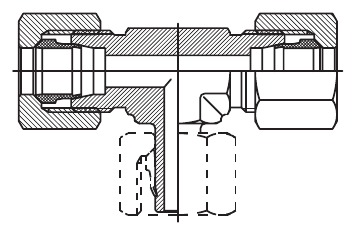
Place the standpipe on the branch connection of a tee.
Configuration illustration; supplied variant may differ.
Query product →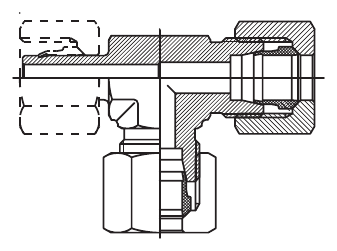
Place the standpipe on a run connection of a tee.
Configuration illustration; supplied variant may differ.
Query product →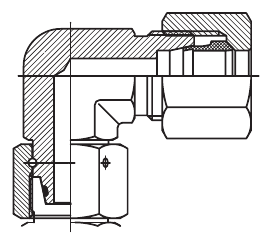
Orient an elbow using a swivel nut and cone connection.
Configuration illustration; supplied variant may differ.
Query product →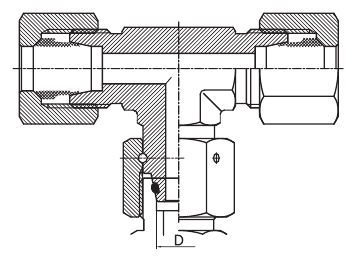
Orient a tee through its branch swivel connection.
Configuration illustration; supplied variant may differ.
Query product →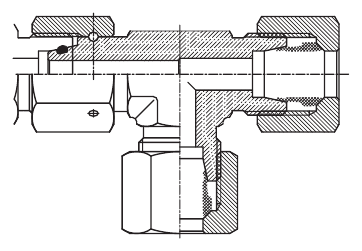
Orient a tee through a swivel connection on the run.
Configuration illustration; supplied variant may differ.
Query product →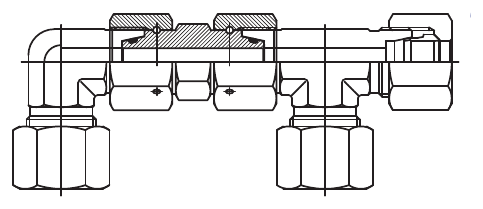
Join compatible connections through a swivel union assembly.
Configuration illustration; supplied variant may differ.
Query product →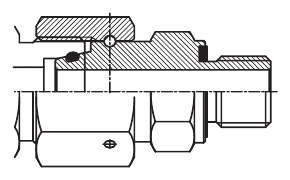
Transition from a swivel tube-side connection to a specified port.
Configuration illustration; supplied variant may differ.
Query product →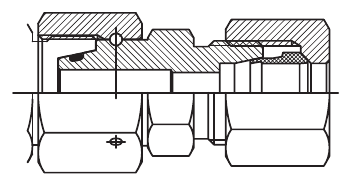
Reduce the connection size using a fixed or swivel arrangement.
Configuration illustration; supplied variant may differ.
Query product →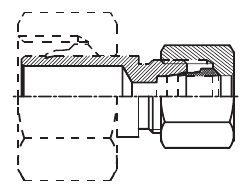
Connect a smaller tube connection through a standpipe reducer.
Configuration illustration; supplied variant may differ.
Query product →Adjustable configurations are useful when a fixed elbow would stop in the wrong orientation or when a branch must align with an existing tube route. They do not remove the need for correct support and stress-free tube alignment.
Specify the tube outside diameter, LL/L/S series, material and every connection. The overall catalogue covers 4–42 mm tube, but an individual configuration may have a narrower range. Carbon steel, 316L and 316Ti can be included in an enquiry, subject to confirmation of the supplied item.
State whether you require complete fittings or bodies only. Include working pressure, peak pressure, temperature, medium and any certificate requirements so the complete assembly can be checked.
Select materials, seals and pressure capability →Identify a DIN 2353 connection by tube outside diameter, fitting series, thread and sealing form. A matching thread alone does not establish a correct connection.
Select the fitting, tube and seals as one assembly. Pressure capability depends on the exact configuration, material, tube dimensions, temperature and installation method.
Successful cutting-ring connections depend on suitable tubing, matched components, careful preparation and the correct assembly procedure for the supplied fitting system.
Identify the configuration, tube diameter and series, all connection threads and seals, material, quantity and operating conditions. Send a marked sketch when port positions or different end sizes matter.
Use them to identify and enquire about the configuration. Obtain the order-specific drawing and confirmed pressure rating before fabrication or installation.
Send the connection details and operating conditions. Fluidline can confirm the supplied configuration, availability and supporting documentation with your quotation.
Bring the whole assembly into your enquiry, from the connection and tube specification to the clamps that support the run.
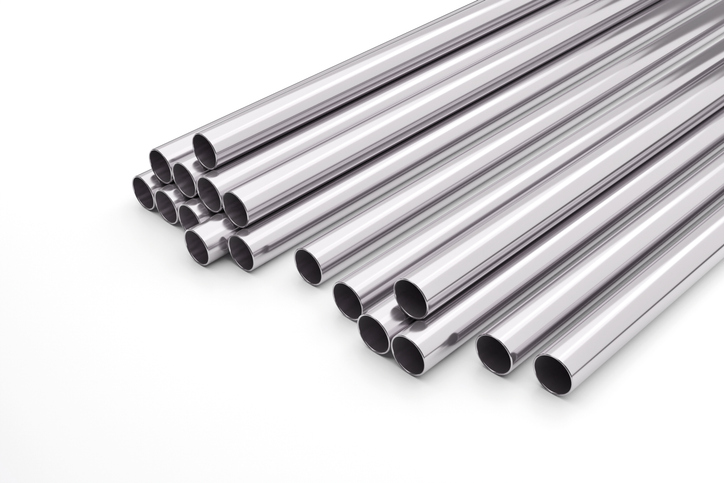
Specify tube outside diameter, wall thickness and material with your fittings.
Explore tubing at Fluidline →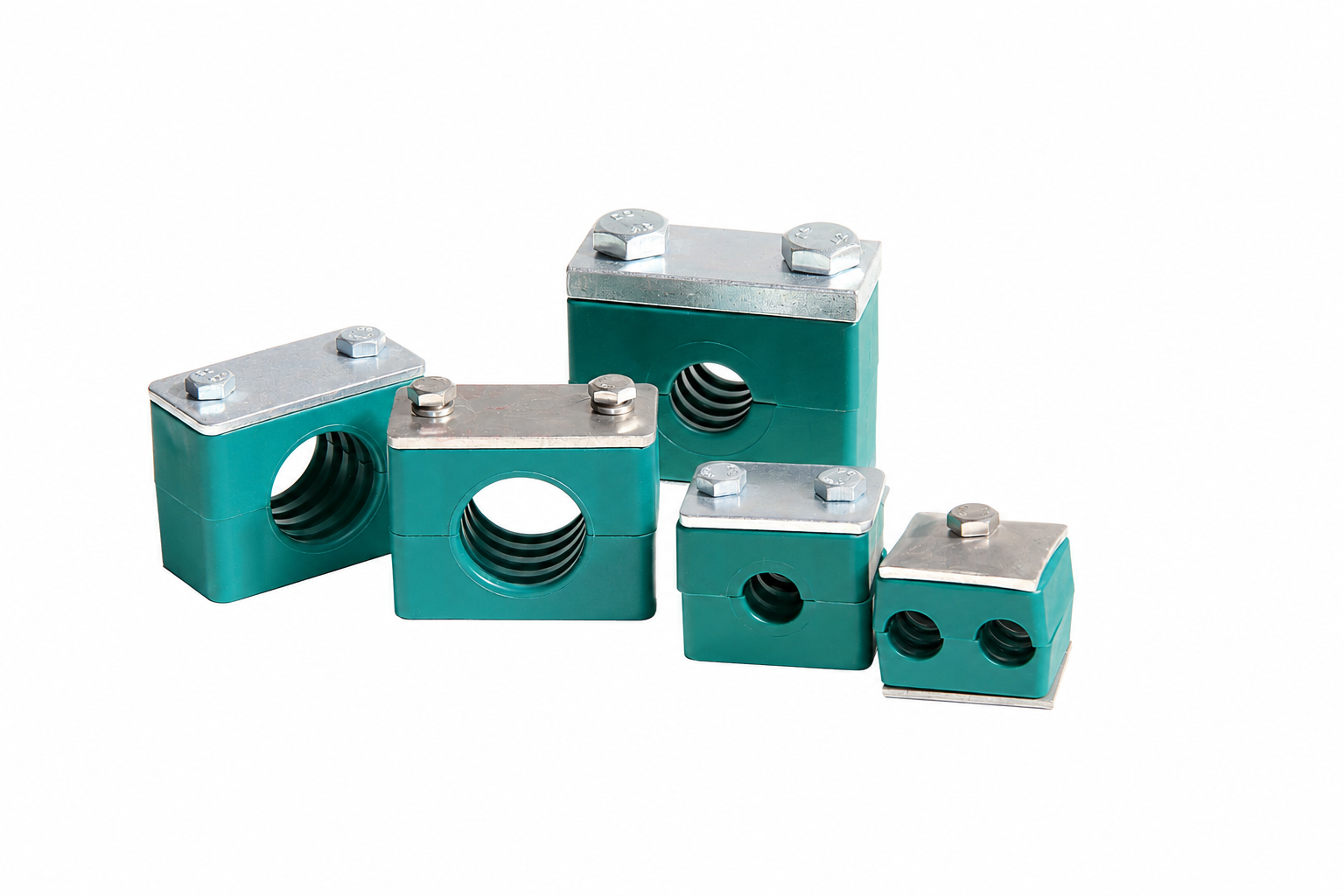
Include the tube diameter, mounting arrangement and support requirements.
Explore tube clamps at Fluidline →
Review tube preparation, component matching and inspection before assembly.
Read the installation overview →